



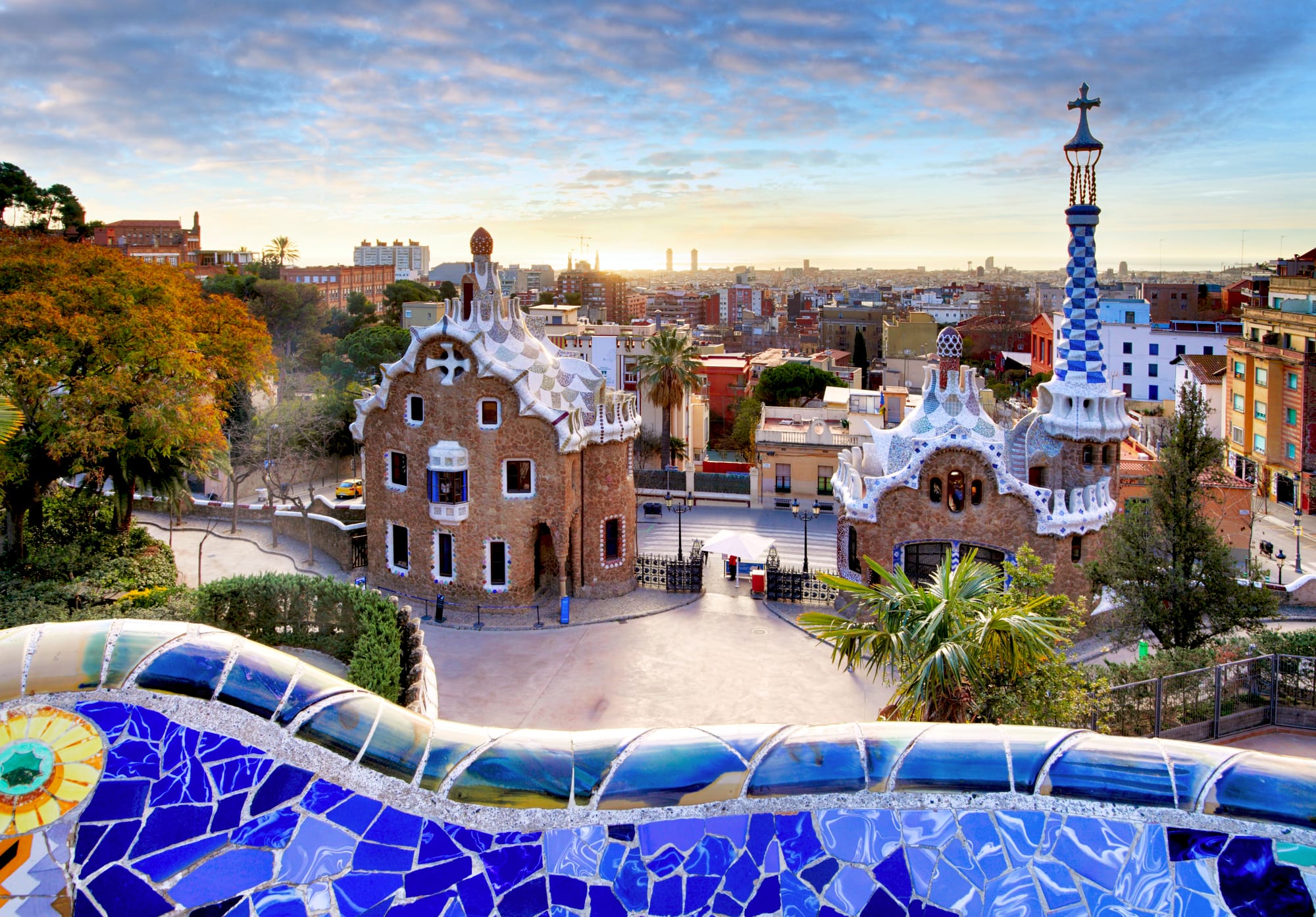
Spain’s Working Holiday Visa - A Complete Guide
by Jessie Chambers 2 years ago
12 MIN READ
This article was reviewed and updated for accuracy on April 22nd 2026
Spain is where you stop dreaming about travel and start living it fully, because a one-year working holiday visa means you're not just visiting for a few weeks but genuinely embedded in the day-to-day rhythm of Spanish life. You find yourself eating lunch at two in the afternoon because that's what locals do, arguing passionately about football at the pub with work colleagues, and learning Spanish not from an app on your phone but directly from the people around you: your colleagues, your flatmate, your neighbours. By month six, you've stopped translating conversations in your head before you respond, and by month twelve, you're thinking in Spanish without even realising it's happening anymore (we would have "La Bamba" playing in our mind on repeat as our backing track).
Picture yourself sipping wine in La Rioja's rolling vineyards, working a season at a ski resort tucked into the Pyrenees, living with a Spanish family as an Au Pair and becoming part of their household, tutoring kids in Madrid during the mornings and spending your afternoons exploring the city's hidden neighbourhoods and museums, or teaching English in Barcelona, because der, that’s a whole mood. The Working Holiday Visa isn't just your official permission to be in Spain for a year, it's the green light to fund your own adventure on your own terms, work in the ways that suit you best, and move around the country whenever you want to experience something new. You're not bound to one location or one employer, which means your options are endless - aka, are you ready to proper send it?
This isn't a gap year where you're watching your savings account dwindle and counting down the days until you go home (snooze), but rather a year where you're earning money, learning a language, exploring a country, and building something genuinely real and lasting. Whether you're drawn to the relentless energy of Barcelona, the cultural depth of Madrid, the Mediterranean beaches of Valencia, or the untouched charm of smaller cities hidden throughout Spain, the working holiday visa means Spain essentially pays you to experience it all.
Why Spain Hits Different for a Working Holiday
You Earn Whilst Experiencing
Most travel costs money and your savings drain quickly, but Spain's working holiday visa flips that on its head. You work, whether teaching English, being an Au Pair, or picking fruit during harvest seasons, and fund your own adventure rather than depleting your bank account. Your money covers rent, food, weekend trips to Portugal or France, and you're actually building savings.
Europe Is Right There
Spain becomes your basecamp, which means you can work for three months, save aggressively, then spend a month exploring Italy, Portugal, or France before finding new work elsewhere. The visa gives you flexibility to move, work, explore, and move again whenever it suits you, whether heading to Barcelona to see a friend or hiking the Pyrenees for a week.
The Cost of Living Actually Works
Spain isn't cheap, but it's nowhere near as expensive as London or Copenhagen either. Outside major cities, rent is manageable and food is affordable if you shop like locals do. Public transport costs a fraction of what you'd pay elsewhere in Western Europe, and if you're working consistently and spending strategically, you're living well whilst banking money.
Work That Fits Your Life
Au Pair work means living with a Spanish family, eating home-cooked meals, and making genuine cultural connections, whilst tutoring leaves your mornings free to explore. Teaching English lets you flex your born right skills while earning a decent weekly wage. Seasonal work lets you chase grapes in autumn, ski in winter, or mountain bike in summer, so you're picking work that fits your vibe.
The People Make It
You'll constantly meet other travellers doing exactly what you're doing on the same visa, building friendships with people from Sweden, Poland, Australia, and Japan. By the end of the year, these deep connections have you seriously considering moving back to Spain permanently.
You'll Speak Spanish
You'll speak real Spanish with slang and regional accents, not textbook Spanish from a classroom. Because you're ordering lunch, asking directions, and navigating daily life entirely in Spanish, your brain absorbs the language naturally.

The Visa: What You Actually Need to Know
Who Can Apply
You need to be 18–30 years old (Canadian applicants can go up to 35). Your country needs to have a youth mobility agreement with Spain. Eligible countries include Canada, Australia, New Zealand, Japan, and South Korea.
What Spain Requires
- Valid passport (six months beyond your intended departure)
- Proof you've studied for at least two years at university level
- Proof of funds (roughly €2,500–3,000)
- Valid travel insurance covering medical care and repatriation
- Health certificate (no older than three months)
- Police clearance certificate (last five years, issued within three months)
- Proof of accommodation (even just a hostel booking for your first week)
- Application fee (varies from country to country)
How the Application Actually Works
You apply through the Spanish visa centre in your country. Each country's process varies slightly, so check the Spanish Ministry of Foreign Affairs website for your specific requirements. The basic steps: create an online profile, book an appointment, gather documents, show up, wait. Processing usually takes two to four weeks. You'll get a one-year visa valid for exactly twelve months from when you activate it. It's not renewable.
The Real Talk
This is where most people get stuck. Gathering documents, filling forms, figuring out if your birth certificate counts as "proof of identity." If you're going through Global Work & Travel for the Au Pair option, the tutoring trip or the Teaching English option, we handle a lot of this headache. We’ll guide you through what you need, help you avoid mistakes, and make sure your documents are actually correct before you submit. Not to mention, there are different rules for different countries, so we’ll ensure you are across everything you need to know about your country and visa situation before going through the whole process.
Where to Actually Base Yourself: Best Cities and Regions
Spain's big enough that where you choose matters. Here's where working holiday people actually set up base:
Madrid: The Capital Hustle
This is where things move fast. Big city energy. Loads of jobs: hospitality, tutoring, Au Pair, English teaching placements. If you want city living, nightlife, and a sense that things are constantly happening, Madrid delivers.
The vibe: Ambitious, fast-paced, international feel despite being Spain's biggest city. You'll find other travellers everywhere. The job scene is competitive but active.
Where to hang out
- Malasaña neighbourhood: Street art, independent cafes, younger crowd, aka big vibes
- Sol area: Central, expensive, touristy but convenient for work connections
- Chueca: LGBTQ-friendly, great nightlife, solid community feel
- Retiro Park: Free, beautiful, where madrileños actually hang out (not just tourists)
Best for: People who want city living, loads of job options, and a feeling that you're in a major European capital.
Barcelona: Chaotic and Brilliant
Touristy? Yes. Still worth it? Absolutely. Mountains meet the Mediterranean. The Gothic Quarter feels like stepping back centuries. Beach culture is real. The job market is thriving because tourists never stop coming.
The vibe: Chaotic, creative, international, beachy, expensive. More expats than Madrid. Easier to find English-speaking work because tourism dominates. The Spanish language is less essential for employment (which is good and bad).
Where to hang out
- El Born: Historic, cool, where young people actually spend evenings
- Gràcia neighbourhood: Village feel within the city, bohemian, affordable compared to elsewhere in Barcelona
- Barceloneta: Beach access, seafood restaurants, local feel despite being touristy
- Park Güell area: Stunning views, easier to find quieter spots, less chaotic than city centre
Best for: People wanting Mediterranean access, beach weekends, and loads of employment options. Warning: Barcelona's expensive, especially for housing.
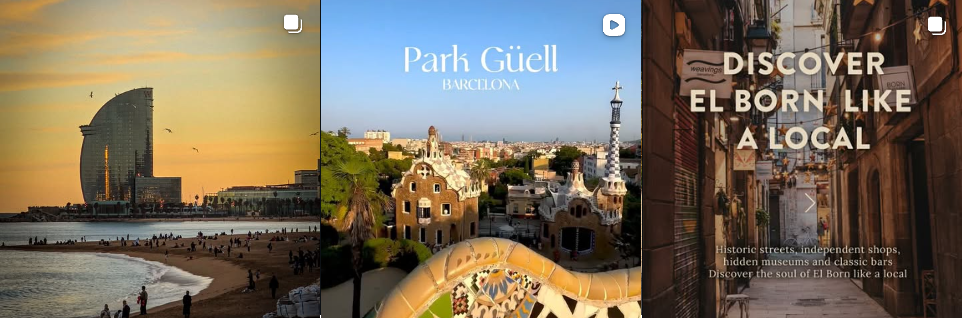
Valencia: The Sweet Spot
This is where you get Mediterranean beaches, legitimate paella (not tourist versions), a functioning city, and significantly lower prices than Barcelona or Madrid. Fewer English speakers than Barcelona, which means better Spanish immersion.
The vibe: Laid-back but cultured. Beach access without the chaos. Strong community of Au Pairs and tutors because international families actively seek them out. Less expat-heavy than Barcelona, more Spanish, but still welcoming to foreigners.
Where to hang out
- Turia Park: Massive green space, pedestrianised, where Valencia's social life actually happens
- Ruzafa neighbourhood: Student area, young crowd, best restaurants, where international workers settle
- Beach towns nearby: Malvarrosa, Patacona. Real Mediterranean life, less touristy than you'd expect
- City centre: Historic architecture without being overwhelming
Best for: People wanting beach access, lower living costs, better Spanish immersion, and a city that doesn't feel overrun with tourists.
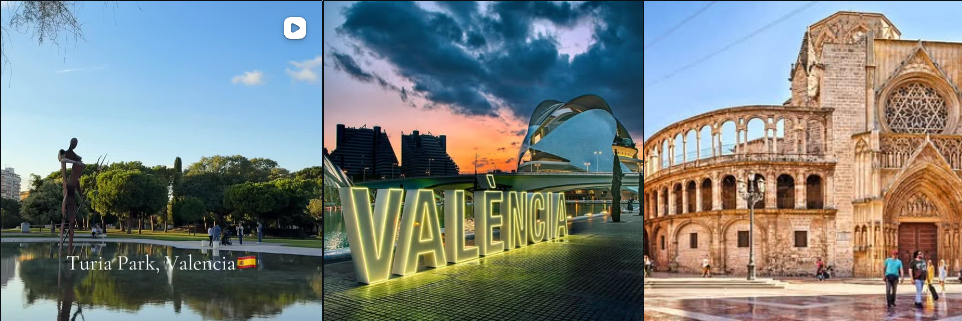
Seville: The Authentic Alternative
Andalusian charm. Flamenco culture that's not performed for tourists but lived. The heat in summer is intense. Winter is beautiful. Significantly cheaper than northern cities. Spanish culture feels less watered down for international audiences.
The vibe: Slower pace, authentic, hot, where Spanish people actually live their lives. Fewer jobs than big cities but enough. Better prices. You'll actually practice Spanish because English tourists are less common.
Where to hang out
- Barrio Santa Cruz: Winding medieval streets, atmospheric, where locals drink at midnight
- Triana neighbourhood: Across the river, artsy, bohemian, cheaper, real community feel
- Alameda de Hércules: Park and plaza combined, where people actually congregate
- Along the Guadalquivir River: Evening strolls, cooling off in the heat, authentic Seville
Best for: People wanting authentic Spain without tourist overload, lower costs, stronger Spanish language necessity, and real community integration.
Smaller Towns Worth Knowing About
Granada: University city, student discount culture, mountains and Mediterranean both accessible. Cheap, vibrant, loads of language exchange opportunities.
Bilbao: Basque Country, different culture entirely, modern city with serious art scene.
San Sebastián: Basque Country coastal town, expensive but legendary food scene. Fewer jobs but a tight international community.

How to Make Money/Live in Spain: Your Three Pathways
The beauty of Spain's working holiday is flexibility. You're not locked into one job type. But here's what actually works:
Pathway 1: Standard Working Holiday Work
This is the traditional route. Hospitality, retail, tourism, seasonal labour.
Hospitality & Tourism Bars, restaurants, cafes. This is everywhere. Tips exist (not always substantial, but they exist). You'll work alongside other travellers. Post-shift drinks are non-negotiable. You make mates immediately. Pay is okay, not great. But you learn the city through work, build connections, and have flexibility to change jobs if something sucks.
Seasonal Work Ski resorts in winter (Pyrenees, Sierra Nevada). Grape picking in La Rioja and Jerez. Beach resorts in summer. Summer camps. These jobs often include accommodation, sometimes meals. You work intensively for a season, save aggressively, then move elsewhere. The social scene is tight because everyone's in the same boat.
Retail & Retail Adjacent Boutiques, shopping centres, markets. Less glamorous than hospitality but steadier hours. Better if you want predictability. Pay varies but usually slightly above minimum wage.
Pros: Flexibility, easy entry, constant availability, social scene, straightforward Cons: Lower pay, can be exhausting, seasonal work requires planning ahead
Pathway 2: Au Pair Work
You live with a Spanish family, look after their kids, help with light household duties. In exchange: accommodation (your own room), meals, and a basic weekly stipend (typically €75–90 per week). Your earnings go straight to your travel fund because living costs are covered.
What You're Actually Doing
- School run in mornings
- Afternoon activities with kids (homework help, playing, taking them to activities)
- Babysitting some evenings
- Light help with household tasks
- 2 days off per week (negotiated with family)
Why This Works You're embedded in a family. You learn Spanish naturally because you're living it daily. You're eating home-cooked Spanish food. You understand how Spanish families actually function. You have stability (same room, regular meals). Your money is pure savings because housing and food are covered. If the family is good, you make real cultural connections. If the family is difficult, you can request a rematch (Global has unlimited rematch options).
The Reality Check It's not always perfect. Some families are demanding. Some kids are challenging. Cultural differences appear. But most Au Pairs find it's the fastest way to actual cultural integration and the smartest financial move. You're banking €300–360 per month on top of free housing and food.
Best For: People wanting deep cultural immersion, family experience, financial stability, and Spanish language practice through daily living.
Pathway 3: Tutoring
You teach English to Spanish kids and families. Usually afternoons or early evenings, a few hours per week.
What This Actually Involves
- Teaching English to kids (primary age mostly)
- Sometimes adult family members (parents wanting to improve)
- Working with tutoring private families
- Flexible scheduling (usually arranged around their school hours)
- Maximum 15–20 hours per week typical
Why This Works You're building professional experience. Teaching experience looks legitimate on a CV. Mornings are often free, so you can explore, take Spanish classes yourself, or work multiple families. You're contributing something meaningful (English education is genuinely valued in Spain). Your schedule is more predictable. Families often feed you during lessons. Academies provide stability.
Best For: People wanting professional work experience, better pay than hospitality, flexible scheduling, and contribution to something meaningful.
Pathway 4: Teaching
You earn your internationally recognised TEFL certification and launch your teaching career in Barcelona. 160-hour CertTESOL course. 4 weeks. Job placement support included. Mornings free to explore.
What This Actually Involves
- CertTESOL certification (4 weeks, internationally recognised)
- Teaching at private language institutes (afternoons/evenings)
- Job placement arranged once certified
- 5 weeks accommodation included
- Visa assistance and dedicated trip coordinator
- Cultural activities, language lessons, community built-in
Why This Works
Legitimate credential that works globally. Salary while you're earning it. Your mornings free. Structure handled (visa, job, housing). You're part of a cohort—instant community. Real work, real purpose.
Best For: Career switchers wanting professional credentials, meaningful work, and structured support with flexibility.
Why Working Holiday Through Global Actually Matters
If you're doing this solo, you're researching visas, finding your own placement, figuring out accommodation, navigating airport logistics, opening a Spanish bank account, all while jet-lagged.
If you're going through Global for Au Pair, Tutoring or English Teaching work:
- Job matching is confirmed before you leave (no arriving unemployed)
- Visa guidance walks you through requirements specific to your situation
- Accommodation is sorted (Au Pairs have family housing; tutors have support finding places, and English teaching has 5 weeks)
- Airport pickup is included
- You've got a dedicated Trip Coordinator if things go sideways
- You're connected to a community of other travellers doing the same thing
- Basic orientation gets you sorted on banking, transport, local essentials
You're still doing the work. You're still navigating Spain. You're still building your life there. But the friction of arrival is handled. And that matters more than you'd think when you're tired, confused, and in a new country.
Final Thoughts
Spain's working holiday visa is permission to stop planning your life and start living it, because you're not watching someone else's Instagram or following a predetermined path but instead making your own story as it unfolds around you. You arrive uncertain about what the year will bring, but by month three you know your city intimately, by month six you're thinking in Spanish without translating, and by month twelve you're wondering if a year was ever going to be enough. Most people extend through other visa routes, some stay permanently, and all of them have fundamentally changed from the person who arrived.
The money thing takes care of itself without you having to sacrifice one for the other. Au Pairing lets you save aggressively whilst living with a family, Tutoring lets you earn with flexible hours, hospitality work funds your adventure whilst you meet people and explore, and English teaching is the perfect balance for those that want to work and play in some of the best cities in the world. You're not choosing between financial security and experience but instead choosing how you want to combine them in a way that works for your life.
The people you meet become your people. Other travellers, Spanish locals, the barista who knows your order by week two, the friends you make at bars and parties, and the colleagues that turn from strangers to friends in a matter of weeks. These connections aren't temporary friendships that fade when someone moves home but rather the kind of relationships that last for years and have you staying in touch across continents.
Spain is waiting with its food, its culture, its beaches and mountains, its passionate people, its lifestyle that actually feels worth living, and the genuine financial possibility of saving money whilst living in Western Europe. Start planning now and you'll arrive ready to make it count.
If you want to learn about the digital nomad visa's for other countries, we have extensive guides for countries like the United Kingdom, Germany, New Zealand, Italy, Portugal, Spain, Thailand, and Japan.
We also publish extensive working holiday visa guides for United States, Canada, Australia, United Kingdom, Germany, France, Spain, Italy, Ireland, Korea, Argentina, Chile, Hong Kong, Estonia, Netherlands, Austria, Slovakia, Portugal, Peru, Greece, Singapore, Malaysia, Taiwan, Mongolia, New Zealand, Ecuador, Brazil and more coming.

Jessie Chambers
Jessie is a globetrotter and storyteller behind the Global Work & Travel blog, sharing tips, tales, and insights from cities to remote escapes, informed by the collective experience and real-world knowledge of teams across our business.