




USA’s Working Holiday Visa Guide (2026)
by Jessie Chambers 2 years ago
14 MIN READ
This article was reviewed and updated for accuracy on June 19th 2026
If you’re dreaming of an extended stay in the USA, you’ll find there are some unique and exciting options for combining work and travel. While the visa options differ from the typical "working holiday" visa in other countries, there are still opportunities to experience both work and travel in the USA.
Imagine this:
- Walking down the streets of New York City: Experience the hustle and bustle of Times Square or take a memorable stroll through Central Park.
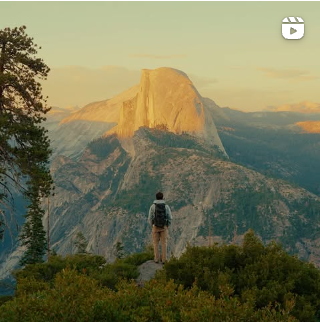
- Hiking in Yosemite National Park: Discover breathtaking natural beauty in one of America’s most iconic national parks.
- Soaking up the California Coastline: Spend your days soaking up the sun on the sandy shores and your evenings watching the sunset over the Pacific.

The J-1 visa isn't quite like working holiday visas in other countries - it's more structured, more paperwork-heavy, and built around specific programs rather than just "turn up and find a job." But it's still your route into living and working in the USA. Summer camp counsellor. Au pair. Internships. Each category has its own rules and timeline, but all of them give you legitimate ways to experience America beyond a two-week holiday.
This guide breaks down what the J-1 actually is, which pathways are available, how the application works, where you'll end up, and how Global Work & Travel makes the whole process significantly less painful.
No pretending American bureaucracy is simple. Just the practical stuff, explained properly - like your mate who just got back would tell you, assuming they've stopped banging on about how cheap petrol is over there.
What the J-1 Exchange Visitor Program Actually Is
The J-1 visa is the USA's answer to working holiday visas, but it's not quite the same thing. Instead of a general "come work anywhere doing anything" visa, the J-1 is built around specific programs designed for cultural exchange. Which sounds vague, but in practice means you're coming to work in a particular role for a set period.
Some of The Main Categories:
- Summer Camp CounsellorWork at American summer camps leading activities, supervising kids, and living the classic American camp experience. Duration: 2-3 months (usually June-August). Ages 18-28.
- Au PairLive with an American family, look after their children, get your own room and meals covered. Duration: 12 months. Ages 18-26.
- InternWork in your field of study whilst you're a current student or recent graduate. Duration: Up to 12 months.
The two pathways Global Work & Travel specialises in are Summer Camps and Au Pair experiences - both of which give you a legitimate way to live, work, and experience the USA without needing employer sponsorship or a specific job offer beforehand.
How it differs from traditional working holiday visas:
You can't just rock up and find a job. The J-1 requires you to be placed in an approved program through a designated sponsor organisation. That sponsor handles your paperwork, approves your role, and issues the DS-2019 form (the document you need to apply for the visa). You can't freelance.
But the upside? It's structured. You're not landing stressed about finding work. You've got a role sorted, accommodation handled, and a clear timeline before you even leave home.
The Application Process (Simplified)
The J-1 application process has more steps than a normal working holiday visa, but it's not impossible. Here's what actually happens:
Step 1: Get Accepted Into a Program
You need to be accepted by a designated sponsor organisation first. For summer camp or Au Pair roles, that's where Global Work & Travel comes in - we connect the dots and help you through the process to ensure all is smooth from the application process to the final placement.
Once you're accepted, the sponsor issues your DS-2019 form - the official document that says you're eligible for a J-1 visa.
Step 2: Pay the SEVIS Fee
All J-1 applicants must register in the Student and Exchange Visitor Information System (SEVIS) and pay a fee. You'll get a receipt - keep it. You need it for your visa interview.
Step 3: Complete the DS-160 Form
This is the standard online visa application for the USA. Personal details, program information, travel plans. It's tedious but straightforward. Once submitted, you'll get a confirmation page with a barcode - print it and bring it to your interview.
Step 4: Schedule Your Visa Interview
Pay the visa application fee and book an interview at the nearest U.S. embassy or consulate. Processing times vary, so don't leave this until the last minute.
Step 5: Attend the Interview
Bring everything: passport, DS-2019 form, DS-160 confirmation, SEVIS fee receipt, proof of funds (bank statements showing you can support yourself), and any supporting documents related to your program.
The interview itself is quick. They'll ask about your program, why you want to go, and whether you plan to return home afterwards. Answer honestly, don't overthink it.
If approved, your passport gets stamped with the J-1 visa, and you're good to go.
What You Actually Need
Documents:
- Valid passport (needs at least 6 months validity beyond your stay)
- DS-2019 form (from your sponsor)
- DS-160 confirmation page
- SEVIS fee receipt
- Visa application fee receipt
- Passport photo (U.S. visa requirements)
- Proof of funds: Bank statements showing you've got enough money to cover initial expenses. The exact amount varies by program, but expect to show at least USD $1,000-$2,000.
- Health requirements: No specific vaccinations required for the J-1, but some programs (especially summer camps working with children) might require health checks or immunisation records.
- English proficiency: You need to demonstrate you can speak conversational English. For most programs, this is assessed during your interview or application process - no formal test required unless your first language isn't English.
The timeline:
Start the process at least 6-12 months before your intended departure. Visa interviews can take an annoying amount of time to schedule, and processing times vary by country.
Now, this might feel like a whole lot of mumbo jumbo (we're tired from writing it - trust us, we get it). This is where working with us makes the biggest difference. Your Trip Coordinator will guide you through the process, ensuring you're working with the most up-to-date and accurate information. You'll understand what each section means for you, and you won't accidentally miss a critical step along the way. Essentially, you get to walk through the entire process without fret or stress, so you can focus on the more important things, like which musical you'll see when you visit Broadway!

How to Maximise When you Choose to Work and Play in the USA
What work is covered by the JS-1 Visa:
- Trainee - For professionals getting training in their career field (requires at least one year of work experience or a degree)
- Summer Work Travel - For university students doing seasonal/temporary work during summer break (things like resort work, hospitality, retail)
The options Global Work & Travel specialise in
- Intern - For current students or recent graduates doing internships in their field of study
- Au Pair - Specifically for live-in childcare with host families
- Camp Counselor - Working at summer camps
After your working placement: Once your placement finishes, this is the time you maximise your exploration! This is when people go big and you have made connections and plans with people you now call friends - road trips, city hopping, national parks, Vegas, New York, the Pacific Coast Highway. Your work earnings fund this bit.
Must-visit spots if you've got time:
- New York CityObviously. Times Square, Central Park, Brooklyn, the Statue of Liberty. Expensive, chaotic, worth it. Use the subway - it runs 24/7 and it's the fastest way around.
- San FranciscoGolden Gate Bridge, Alcatraz, Fisherman's Wharf. Hilly, beautiful, and the Pacific Coast Highway drive south to Big Sur is unreal. Take the cable cars - they're touristy but genuinely fun.
- Grand Canyon, ArizonaOne of those places that's better in person than in photos. Hike the Bright Angel Trail early in the morning to avoid heat. Book a tour or shuttle if you're not driving.
Yellowstone National ParkGeysers, hot springs, bison, bears. Massive park spanning Wyoming, Montana, and Idaho. Rent a car - you need one to see it properly. Visit in spring or autumn to avoid summer crowds.



Booking With Global Work & Travel
Doing the J-1 visa yourself is possible, but it's admin-heavy and easy to mess up. Sponsor organisations, SEVIS fees, DS-160 forms, visa interviews - it's a lot of moving parts, and if you miss something, you're starting over.
Global Work & Travel handles the complicated bits so you don't have to.
How We Actually Help
Program placement:We connect you with approved sponsor organisations for summer camp or Au Pair host families. No cold-calling camps or families yourself. No wondering if a placement is legitimate. We've vetted them, we know they're solid, and we'll match you with something suitable.
Visa guidance:Your Trip Coordinator walks you through every step - what documents you need, how to fill out the DS-160 without missing a step, what to expect at your visa interview. They've done this thousands of times. You haven't. That's the difference.
Pre-departure prep:We help you organise your flights, insurance, packing lists, what to expect when you land - sorted. You get a Pre-Departure Guide with everything you actually need to know, plus a Personal Travel Concierge to handle logistics.
On-the-ground support:Once you're in the USA, you're not on your own. Local team support, 24/5 emergency line, help setting up your Social Security Number and bank account. The boring admin stuff that trips people up gets handled.
Two Main Pathways: Summer Camp or Au Pair
Depending on what you're after - short-term adventure or longer-term immersion - you've got two solid options.
Summer Camp Counsellor (2-3 months, ages 18-28)
Work at an American summer camp leading activities, supervising kids aged 6-16, and living the classic camp experience. It's intense, exhausting, social, and genuinely fun if you're into kids and the outdoors.
Duration: 2-3 months (usually June-August)
Ages: 18-28
What you earn: At least USD $2,250 for a 9-week camp (often more depending on role and experience)
Accommodation: Provided at camp (cabins, tents, or dorm-style housing)
Meals: Three meals a day covered
What you're actually doing:
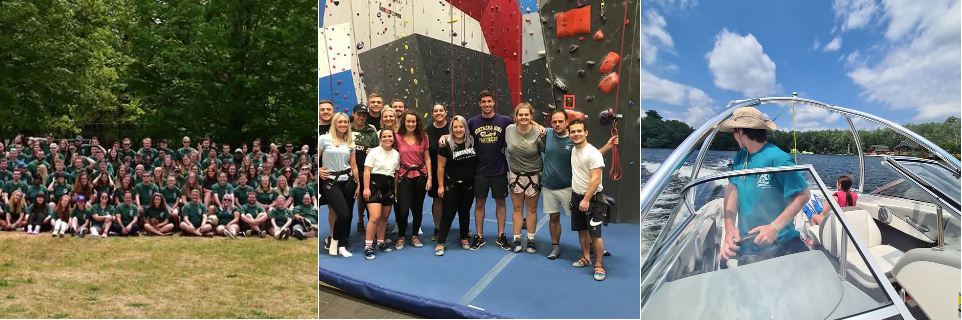
Leading activities: sports, arts and crafts, swimming, climbing, campfires, theatre, music - depends on your skills and the camp's focus. Supervising kids during free time. Making sure no one dies doing something stupid. Building campfires, telling stories, being the "cool counsellor" the kids remember forever.
It's full-on. Six-day weeks. Early mornings, late nights. Little privacy. But the bonds you form with other counsellors (who are also international travellers from all over the world) are ridiculous. You'll leave with mates for life and stories you'll still be telling in 10 years.
Time off:
Around 6 days during the 8-9 week camp season. After camp finishes, you've got 30 days to travel the USA before your visa expires. That's when most people road trip, hit national parks, or blow their camp earnings in Vegas.
What Global Work & Travel includes (Summer Camp package):
Before you leave:
- USA summer camp match (position confirmed before departure)
- Dedicated Trip Coordinator (guides you through everything)
- J-1 Camp Counsellor visa sponsorship (we handle the sponsor organisation)
- Pre-Departure Guide and online orientation
- Personal Travel Concierge (sorts flights, logistics)
When you arrive:
- Arrival airport transfer (someone picks you up)
- Local life essentials (prepaid US SIM with unlimited calls/texts and 2GB data for 2 months, help with Social Security Number and bank account)
- US medical insurance (government-approved coverage)
After camp:
- 3 nights backpackers accommodation anywhere in the USA (kick off your post-camp travel properly)
Au Pair (6-12 months, ages 18-26)
Live with an American family, look after their children, and experience everyday American life. You get your own private room, three meals a day, and a weekly stipend. Everything you earn goes into your travel fund because rent and food are already sorted.
Duration: 12 months (can extend to 24 months)Ages: 18-26What you earn: Weekly stipend (varies by family and location)Accommodation: Private bedroom in the family's homeMeals: Three meals a day with the family
What you're actually doing:
Childcare. School drop-offs and pick-ups. Helping with homework. Playing games. Occasional cooking for the kids. Light household chores related to the children (tidying their rooms, that sort of thing). You're not the parent - you're the helpful older sibling/nanny who lives with them.
Hours vary by family, but most need help during school runs (mornings and afternoons), leaving you free for several hours in the middle of the day. Weekends are usually yours when the parents are home.
Time off:
At least 1-1.5 days off per week (usually weekends). Two weeks paid holiday during your 12-month placement.
Pre-approved families:
You don't get assigned a random family and hope for the best. You view detailed family profiles, video call them, meet the kids virtually, ask questions, and only proceed when you're comfortable. If a family doesn't feel right, you move on.
And if things don't work out after you arrive? Global Work & Travel will re-match you with a new family (as long as you haven't violated the agreement).
Second country match:
When your USA placement finishes, Global Work & Travel can match you with a second Au Pair family in the Netherlands, Canada, Australia, or New Zealand if you want to keep the adventure going. Same setup, different country.
Final Thoughts
The J-1 Exchange Visitor Program isn't a traditional working holiday visa, but it's the USA's version of one. More structured, more paperwork, more rules - but it works.
Summer camp gives you an intense 2-3 month American experience, genuine friendships with people from all over the world, and enough earnings to fund a proper month of travel afterwards. Au Pair gives you up to two years living with an American family, experiencing suburban or city life properly, and saving money whilst you're at it because accommodation and food are covered.
Both options are legitimate ways to live and work in the USA without needing employer sponsorship or a specific job offer beforehand. The visa process is manageable when someone walks you through it. The programs are vetted and approved. And the experience - summer camp chaos or family life immersion - is genuinely different from anything you'd do back home.
What trips people up is trying to navigate the J-1 system alone. Sponsor organisations, SEVIS fees, DS-2019 forms, visa interviews - it's not impossible, but it's easy to mess up. Global Work & Travel handles the complicated bits so you don't waste time or money fixing avoidable mistakes.
When you book with us, your job match confirmed before you leave, your visa guidance is handled, and someone who's done this thousands of times makes sure nothing important gets missed. You land in the USA prepared, not panicking.

Frequently Asked Questions (FAQs)
What is the J-1 Visa?
The J-1 Visa is part of the Exchange Visitor Program and allows individuals from certain countries to live, work, and travel in the USA temporarily, primarily for internships, training, research, and cultural exchange programs.
Who is eligible for the J-1 Visa?
Eligibility for the J-1 Visa depends on your specific program, but applicants generally include university students, recent graduates, professionals, teachers, or researchers. Each J-1 category has specific requirements, and you must be accepted by a U.S. Department of State-designated sponsor.
How long does the J-1 Visa last?
The duration of the J-1 Visa depends on the program. For example:
- Internships can last up to 12 months.
- Trainee programs can last up to 18 months.
- Work and Travel programs typically last up to 4 months.
Can I extend my J-1 Visa?
Extensions are possible in some cases, depending on the program category. For example, au pairs can extend their visa for an additional 12 months. However, some categories, like the Summer Work and Travel program, are not eligible for extension.
What jobs can I take with this visa?
The type of work depends on your J-1 visa category:
- Interns and trainees work in roles relevant to their field of study or career.
- Au pairs provide childcare for host families.
- Work and Travel participants often take temporary or seasonal jobs in hospitality, retail, or tourism.
How do I find a job in the USA?
Many J-1 programs, like internships or au pair placements, offer job assistance through your visa sponsor. Through Global Work & Travel, we offer support throughout the process to finding you work in your particular area - you can also read our guide to finding a job in the United States as a foreigner.
Do I need a Social Security Number (SSN) to work in the USA?
Yes, you must apply for a Social Security Number (SSN) to work and be paid in the USA. Your J-1 sponsor will help guide you through the process after you arrive.
How do I set up a bank account in the USA?
You can open a bank account at institutions like Chase, Bank of America, or Citibank . You'll need your passport, J-1 visa, proof of address, and potentially your SSN.
Do I need private health insurance in the USA?
Yes, all J-1 visa holders are required to have health insurance that meets minimum coverage standards set by the U.S. Department of State. Many programs provide insurance, but if not, you’ll need to purchase your own.
What is the best way to get around the USA?
For city travel, use public transportation like buses and subways. For traveling between cities, domestic flights, Amtrak trains, or Greyhound buses are great options. Renting a car is ideal for road trips.
How do I manage taxes in the USA?
Your employer will withhold federal and state income taxes from your paycheck. You may need to file a tax return during the U.S. tax season (January-April), especially if you’re eligible for a refund.
What’s the average cost of living in the USA?
Cost of living varies widely. Cities like New York, San Francisco, and Los Angeles are expensive, while smaller cities and rural areas are more affordable. Be sure to budget for rent, groceries, transportation, and leisure activities.
Can I study while on the J-1 Visa?
Some J-1 categories allow you to take courses or attend educational programs part-time, but your primary focus should be on the exchange program you’re approved for.
Can I travel outside the USA and return while on this visa?
Yes, you can travel internationally and return to the USA as long as your visa is still valid. Make sure to check with your J-1 sponsor and the U.S. embassy for any specific requirements regarding travel.
What happens when my J-1 Visa expires?
Once your visa expires, you must leave the USA. If you're eligible for another visa (such as an H-1B work visa or F-1 student visa), you may apply for that. Additionally, you have a 30-day grace period to travel within the USA after your program ends.
If you want to learn about the digital nomad visa's for other countries, we have extensive guides for countries like the United Kingdom, Germany, New Zealand, Italy, Portugal, Spain, Thailand, and Japan.
Ready to live and work abroad?
We run Working Holiday programs in Australia, Canada, New Zealand, the United Kingdom, Ireland, Japan, South Korea, and the United States.
Planning your next move?
We also publish in-depth working holiday visa guides for destinations all over the world.
Oceania & the Pacific: Australia, New Zealand, and Papua New Guinea. North America: Canada and the United States. South America: Argentina, Brazil, Chile, Ecuador, and Peru. Western Europe: the United Kingdom, Ireland, France, Germany, the Netherlands, and Austria. Southern Europe: Spain, Italy, Portugal, and Greece. Northern & Eastern Europe: Norway, Estonia, the Czech Republic, and Slovakia. Middle East: Israel. Asia: South Korea, Hong Kong, Taiwan, Singapore, Malaysia, Indonesia, Vietnam, and Mongolia.

Jessie Chambers
Jessie is a globetrotter and storyteller behind the Global Work & Travel blog, sharing tips, tales, and insights from cities to remote escapes, informed by the collective experience and real-world knowledge of teams across our business.