



France’s Working Holiday Visa Guide for 2026
by Jessie Chambers 2 years ago
16 MIN READ
This article was reviewed and updated for accuracy on March 26th 2026
If there is one thing the French know how to do, it’s to live like you’ve entered a world of “elevated”. The food, wine, and culture really does give chic on a random Tuesday afternoon. It’s in all the simple things - lunch breaks stretch longer than they should because nobody's rushing. Weekends involve markets, vineyards, or hopping a train to a medieval village you'd never heard of until someone mentioned it last week. It's a lifestyle that most people spend years trying to build, and you can walk straight into it.
The Working Holiday Visa gives you up to a year to live, work, and explore France. Not as a tourist racing between landmarks with a guidebook (snooze), but as someone who actually gets to experience the nuances of French living. You're working at a boulangerie in Lyon, your flatmate's from Montreal, and you've somehow convinced yourself that cycling everywhere in the rain is the only way to do it!
Picture This:
- Late nights in Paris: You've just finished a shift at a bistro in Le Marais, and you're meeting friends at a wine bar that doesn't close until 2 a.m. because apparently that's the best time to socialise.
- Weekends in the French Alps: You're skiing in Chamonix on Saturday, then sitting by a fireplace with fondue and wine on Sunday, wondering how this became your regular weekend routine.
- Harvest season in Bordeaux: You've picked up work at a vineyard during harvest, spending days in the sun and evenings tasting wine that would cost a fortune back home, realising you're getting paid to do this.

The French Working Holiday Visa is open to young travellers aged 18 to 30 (35 for some nationalities) from eligible countries. Up to a year to actually live here instead of just passing through.
This guide breaks down everything you need to know. Eligibility, application process, how to land a job, and tips for settling in without drowning in admin. Ready? Allons-y.
Who Can Apply for the French Working Holiday Visa?
The French Working Holiday Visa is your golden ticket to living in France for up to a year while working to fund your daily croissant must-have and weekend train trips to places you can't pronounce yet (but like, will you ever?). If you meet the eligibility requirements, you're in. Simple as that. Well, as simple as anything involving French bureaucracy can be.
Eligibility Criteria:
Nationality: You need to be from one of the 16 countries or territories that have signed a bilateral working holiday agreement with France. The cool kids club includes:
- Australia (oui!)
- Argentina
- Brazil
- Canada
- Chile
- Colombia
- Ecuador
- South Korea
- Japan
- New Zealand
- Hong Kong
- Mexico
- Peru
- Russia
- Taiwan
- Uruguay
If your country's not on this list, don't stress. Bilateral agreements update from time to time, and if you get in touch with us, we'll make sure you've got the latest info on what's available. And if France isn't the one? We know plenty of other European hubs close by that could be your perfect starting point.
Age Requirement: You need to be between 18 and 30 years old when you apply (up to the day before you turn 31, because France is very specific about these things). Plot twist for Australians, Argentinians, and Canadians: you get an extra five years. Your age limit is 35 (up to the day before you turn 36). Why? Nobody really knows, but we're not complaining.
First-Time Applicants Only: For most nationalities, this visa is a one-time deal and you can only apply once in your lifetime, so make it count. Canadians, however, get a special arrangement under the Franco-Canadian agreement: you can do two stays of up to 12 months each (24 months total), with the option to renew. Lucky you. Regardless of nationality, the main purpose of your stay needs to be tourism and cultural exploration, with work taken on only on a secondary basis as the thing that funds the fun. Don't show up saying you're here to climb the corporate ladder at L'Oréal. That's not the vibe.
How to Apply: Applications must be submitted through the appropriate visa centre in your home country. There are a few exceptions for Australian, Canadian, and Colombian nationals living abroad, but generally, you'll need to apply from home. The visa you'll receive is a long-stay "vacances travail" (working holiday) visa, valid for one year. Once it's granted, you can take on paid work in France on a secondary basis, without needing prior approval from the French Administration. Freedom, baby.
When Applying for The Visa You Must Have
To apply for a French Working Holiday Visa, you'll need to gather a small mountain of paperwork. The specifics vary slightly depending on your nationality, but here's the general checklist you'll be working with:
- Valid Passport: Your passport needs to be valid for the entire duration of your stay, with at least two blank pages for visa stamps. If you're running low on pages because you've been living your best life already, get it renewed before you apply.
- Completed Visa Application Form: Fill out the long-stay visa application form, available from the French consulate or visa centre in your country. It's long. It's detailed. Pour yourself a coffee and settle in.
- Passport-Size Photo: Two recent, passport-sized photos that meet France's very specific visa photo requirements. No selfies. No filters. Just you, a neutral background, and the kind of lighting that makes you look like you're applying for a driver's license in 2003.
- Proof of Funds: You'll need to prove you have enough money to support yourself during your stay in France. This usually means recent bank statements showing around €2,500 (the exact amount varies by country, so check your consulate's requirements). Yes, they want to see that you can afford more than just baguettes.
- Health Insurance: Proof of valid health insurance that covers the entire duration of your stay in France, including medical coverage and repatriation. This is non-negotiable, so don't try to wing it.
- Return Ticket: You'll need to show proof of a return ticket or onward travel before your visa expires. Basically, France wants to know you're planning to leave eventually (even if you fall in love with the place and never want to).
- Proof of Accommodation: You may be asked to show proof of accommodation for at least the initial part of your stay. A hotel booking, rental agreement, or a letter from a host in France will do the trick. They don't need your entire year mapped out, just proof you won't be sleeping on a park bench when you arrive.
- Visa Application Fee: Payment of the visa application fee, which varies depending on your nationality and the consulate you apply to. It's generally around €99. Not the worst fee you'll pay, but not free either.
Once you've got all of this sorted, submit your application and wait. Processing times vary, so apply well in advance of your planned departure date. France moves at its own pace, and your visa application is no exception.
Top Tip: Visa requirements vary by nationality and have a habit of changing without sending you a memo. When you book with Global Work & Travel, your Trip Coordinator walks you through every form, every checkbox, every weird document requirement. Because there's nothing worse than delaying your trip by six weeks because you missed a tiny checkbox on page 23 or uploaded your bank statement in the wrong file format. We've done this thousands of times. We know where people trip up, and we make sure you don't.
Comprehensive Travel Insurance
Look, nobody wants to think about breaking a leg on a ski trip or losing their luggage somewhere between Paris and Lyon. But these things happen, and when they do, you'll want to be covered. That's where Global Travel Cover comes in.
Here's what you're covered for:
Medical Coverage:
- Ski and snowboard injuries (because let's be honest, you're definitely hitting the slopes)
- Intensive care if things get serious
- Prescription medication abroad (French pharmacies are great, but expensive)
- Medical and political evacuation (for when things go really sideways)
- Return of mortal remains (we don't like thinking about it either, but it's covered)
- Accidental death and dismemberment (financial protection for you and your loved ones)
Travel Coverage:
- Lost checked luggage and theft (RIP to your favourite jacket if it happens, but at least you'll get compensated)
- Return travel (if a covered disruption cuts your trip short, we'll get you back to your point of origin)
- Personal liability (in case you accidentally break something expensive or injure someone)
With Global Travel Cover, you're protected for both the medical and travel chaos that can pop up. Which means you can focus on enjoying France instead of worrying about what happens if something goes wrong.

Applying For Your Visa
Visa rules vary by country, so we won't bore you with every possible variation. Here's the general process, and when you book with Global Work & Travel, your Trip Coordinator will make sure you're doing it right for your specific situation.
The Process:
1. Check You're Eligible Nationality, age, funds. Make sure you tick all the boxes before you start.
2. Start Your Application Online Head to the France-Visas website and fill out the forms.
3. Book an Appointment Most countries use VFS Global centres to process French visas. Book your appointment early because slots fill up fast during peak season.
4. Gather Your Documents Passport, photos, bank statements, health insurance, the works. (See the checklist above if you've already forgotten.)
5. Show Up to Your Appointment Bring everything. Double-check you've brought everything. Then check again.
6. Wait Processing usually takes about 15 days (this varies heavily based on country, season and availability), but during busy seasons it can stretch longer. Once it's done, you'll either collect your passport in person or have it mailed to you.
Job Opportunities in France
When you're in France on a Working Holiday Visa, you have the flexibility to work part-time or in temporary positions to support your stay. Here are some common job opportunities available:
Popular Jobs for Working Travellers in France
France's job market is wide open for working travellers, but some roles are easier to land (and more fun) than others. Here's where most people end up:
This is one of the most popular options for a reason. You live with a French family, look after their kids, help with light household duties, and in exchange you get accommodation, meals, and a weekly allowance. The real perk? Full cultural immersion. You'll learn French faster than any app could teach you (you can finally ditch Duolingo, let’s be real, Bonjour won’t get you far), eat home-cooked French food every night, and get an insider's view of what life in France actually looks like. Plus, your weekends are yours to explore.
If you've got a specific career path in mind, internships in France can be gold. French companies love international interns, especially in creative industries and tech. You'll gain real work experience, build your CV, improve your French, and make connections that could open doors later.
If you're good with kids and want a summer that feels like an adventure, summer camp jobs in France are brilliant. You'll work at camps in the French countryside, leading activities, organising excursions, or working as general camp staff in catering and housekeeping. The work is full-on (think early mornings and high energy), but the vibe is unbeatable. You're staying right at camp in cosy timber chalets or shared rooms, 3 meals a day covered, and earning a monthly salary that goes straight into your post-camp adventure fund.
Hospitality & Tourism
Hotels, hostels, restaurants, cafes. Jobs are everywhere, especially in tourist hotspots like Paris, Nice, and the French Riviera. Waiting tables, bartending, reception work, kitchen assistant roles. The pay is decent, the hours can be long, but you'll meet other travellers, practice your French with locals, and usually get staff meals (which in France, let's be honest, is a massive win).
Seasonal Work
Vineyards during harvest season (vendange), ski resorts in the Alps during winter, summer camps in the countryside. Seasonal jobs are intense, social, and often come with accommodation included. Grape picking in Bordeaux in autumn? You'll work hard, drink wine with the crew after hours, and leave with stories. Ski season in Chamonix? Same deal, but with mountains and après-ski instead of vineyards.
Real Talk: The French job market favours people who speak at least some French. You don't need to be fluent, but basic conversational skills will open way more doors than showing up with zero language ability. And if you're planning to do an internship or Au Pair role, get in touch early. The best placements fill up fast.
Finding Work With Global Work & Travel
How to Work in France with Global Work & Travel
Working in France sounds romantic until you're three weeks in, still job hunting, burning through savings, and wondering if you made a terrible mistake. The visa paperwork is confusing. The job market is competitive. The language barrier is real.
That's why the Au Pair in France trip exists.
Instead of job hunting and accommodation scrambles, you arrive with everything sorted. A family waiting to welcome you. A private room in their home. Three meals a day covered. A weekly salary that goes straight into your travel fund because rent and food are already handled.
What's Included:
- Host family match before you leave (video calls, family profiles, pre-approval)
- Full board and lodging (private room + 3 meals a day)
- Paid vacation (1 week for every 6 months you work)
- Transport card (Metro access sorted)
- 2nd family match (keep going in the Netherlands, Canada, Australia, or New Zealand)
- Dedicated Trip Coordinator (real human, not a chatbot)✓ Visa guidance (we step you through the French bureaucracy)
- Airport pickup (no figuring out transport on day one)
- 3 nights hostel accommodation (after your placement ends)
- 2 nights to party at Oktoberfest, Barcelona, or surf in San Sebastian
- Incompatible family re-match (if things aren't working out, we'll sort you a new family)
- Local team support + 24/5 emergency line
- gWorld app access (connect with other travellers across Europe)
Your days off? Cobblestone streets, French cafes, weekend trips to the Alps. Your evenings? Home-cooked French meals with a family who becomes your home away from home.
No job hunting. No visa panic. No scrambling for accommodation. Just you, France, and a year you'll never forget. Oui oui, let's go.

Best Places to Visit in France
France is massive, beautiful, and packed with places that'll make your Instagram followers genuinely jealous. Here are the spots worth your time (and your euros).
Paris
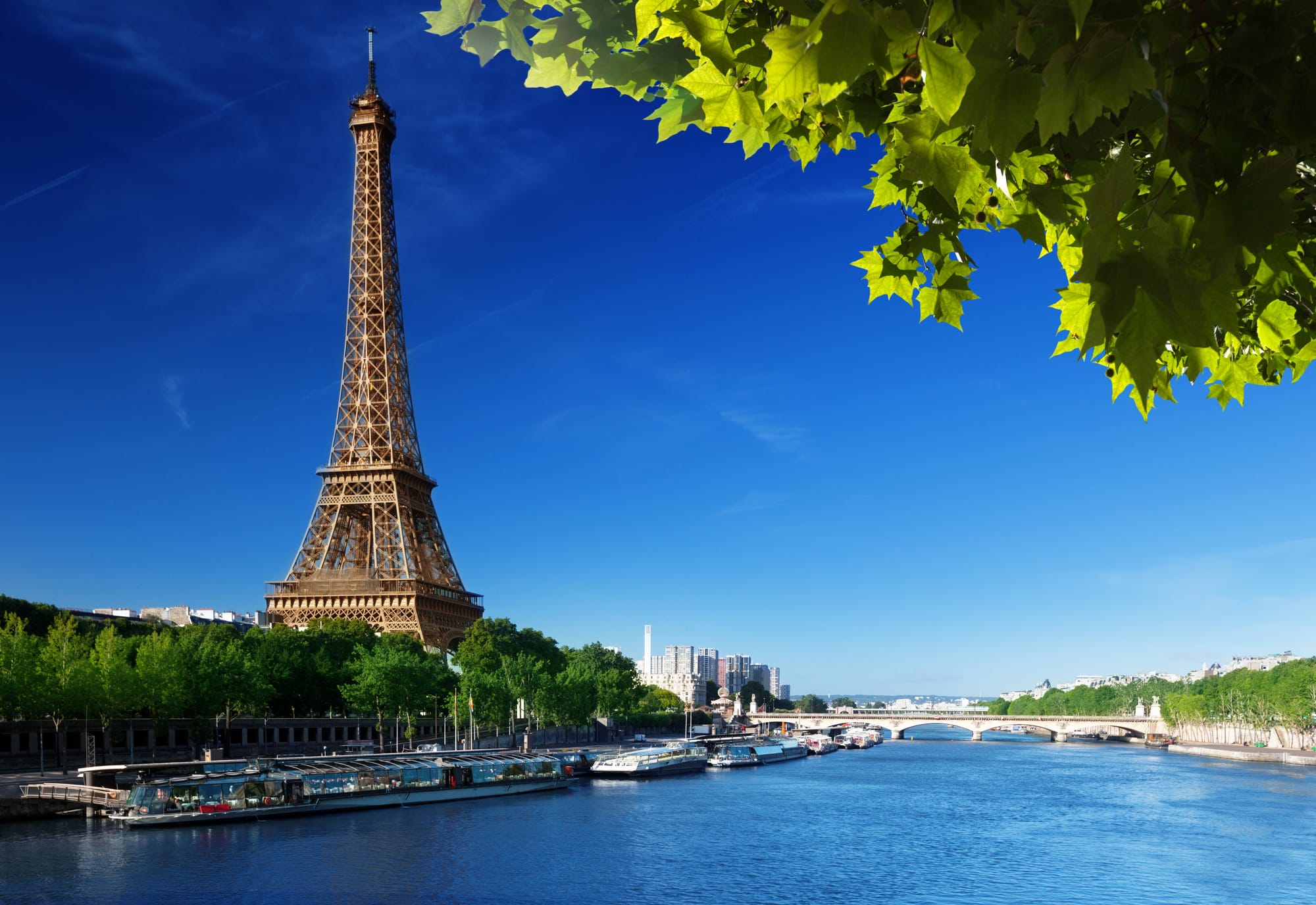
Obviously. The Eiffel Tower, the Louvre, croissants that actually taste like butter instead of air. Paris is iconic for a reason, but it's also chaotic, expensive, and full of tourists doing the exact same thing you're doing. Go, see it, love it, but don't spend your entire trip there. The rest of France is waiting.
The Coast (Nice, French Riviera & Corsica)
The Mediterranean coast is where the water is impossibly blue, the beaches are pebbles (not sand, sorry), and the vibe is equal parts glamorous and relaxed. Nice is the main hub, but towns like Antibes, Cannes, and Èze are worth day trips. If you want something less touristy, head to Corsica. Rugged mountains meet pristine beaches, and it has its own distinct culture, language, and vibe. Bring sunscreen. The sun here does not mess around.
Countryside & Castles (Provence & Loire Valley)
Provence is lavender fields, hilltop villages, outdoor markets selling cheese and wine, and a pace of life that makes you wonder why you ever lived anywhere else. Just be prepared for the heat. If you want fairytale castles, head to the Loire Valley. Château de Chambord, Château de Chenonceau, and dozens of others you can explore by bike or car. French royalty had good taste.
Wine Country (Alsace & Bordeaux)
The Alsace Wine Route is charming villages, vineyards, half-timbered houses, and wine tastings. The region feels more German than French (because historically, it's been both). Colmar and Strasbourg are the main towns worth visiting. Down south, Bordeaux is world-famous wine regions, harvest season work, and vineyards that stretch for miles.
Mountains & Nature (The Pyrenees & Mont Saint-Michel)
If you want mountains, hiking, and nature without the crowds of the Alps, head to the Pyrenees on the border with Spain. It's wild, remote, and stunning. For something completely different, visit Mont Saint-Michel - a medieval island commune that looks like it belongs in a fantasy novel. It's stunning, it's historic, and it's absolutely swarming with tourists during peak season. Go early in the morning or late in the afternoon if you actually want to enjoy it.
Getting Around France
France's train system is excellent. The TGV (high-speed train) connects major cities like Paris, Lyon, Marseille, and Bordeaux in a few hours. Regional trains and buses will get you to smaller towns and countryside spots. If you want flexibility, rent a car and drive routes like the Route des Grandes Alpes or the Normandy coast. Just be prepared for tolls (they add up fast).
Top Tip: In Paris, grab a Navigo or T+ card for unlimited metro and bus access. It'll save you money and hassle. Outside of Paris, don't be afraid to ask locals for recommendations. They'll point you to the best spots that tourists miss.
Want to Learn French While You're Here?
If you're serious about immersing yourself in French culture (and actually understanding what people are saying), check out our French in Montpellier trip. Small group classes, homestay accommodation with a local family, cultural experiences, and support from day one. You'll leave speaking French like a local instead of just ordering croissants and hoping for the best.
Explore the French in Montpellier trip
Final Thoughts
So here you are: France, a year ahead of you, and a Working Holiday Visa that's basically permission to live the kind of life most people only daydream about during their commute. Croissants for breakfast, wine at lunch (because apparently that's the lifestyle perk), weekends in the Alps, evenings wandering cobblestone streets that look like they were designed specifically for your Instagram grid.
Here's the catch. France doesn't hand you the dream version on a silver platter. You've got to show up prepared. Visa sorted, job lined up, accommodation handled, and ideally, someone who's done this before and knows exactly where people faceplant.
Look, you could wing it. Some people do. But most of those people spend their first month stressed, broke, and wondering why they thought arriving with a backpack full of optimism and zero plan was a good idea.
Or you could book with us. Job match before you leave. Visa guidance that actually makes sense. A Trip Coordinator who knows the process inside out. Local support when you arrive. All the admin chaos handled so you can focus on the bit that actually matters: living in France.
France isn't going anywhere, but your twenties are. Get the visa, get the support, get on the plane. Bon voyage.
Frequently Asked Questions (FAQs)
What is the French Working Holiday Programme visa?
The French Working Holiday Programme visa allows young adults from eligible countries to live, work, and travel in France for up to one year, offering a fantastic opportunity for cultural exchange and exploration.
Who is eligible for the French Working Holiday Programme visa?
To apply, you must be between 18-30 years old (inclusive), or up to 35 years old if you're from Canada, Argentina, or Australia. You must also hold citizenship from one of the 16 countries that have a bilateral working holiday agreement with France, including countries like Canada, Japan, New Zealand, South Korea, and others(
How long does the French Working Holiday visa last?
The visa is valid for 12 months. Canadian citizens, however, may be eligible to extend their stay for an additional 12 months(
Can I extend my French Working Holiday visa?
No, the visa is generally not extendable, except for Canadians who may extend their stay for another 12 months under a specific agreement.
What jobs can I take with this visa?
You can work in many sectors such as hospitality, tourism, and retail to fund your stay. However, certain professions, like long-term employment or studying as an au pair, are restricted under this visa.
How do I find a job in France?
Job search platforms like Pôle Emploi, Indeed, or even recruitment agencies that cater to foreigners can be great resources. Networking within local expat communities is another useful way to find job opportunities.
Do I need to register with French authorities to work?
Yes, upon arrival, you will need to register with local authorities and acquire proof of residence in order to legally work and access services during your stay.
How do I set up a bank account in France?
You will need to present your passport, proof of accommodation, and visa details to open a bank account at any major French bank, such as BNP Paribas or Crédit Agricole
Do I need health insurance in France?
Yes, having private health insurance for the duration of your stay is mandatory. This insurance should cover any medical issues that arise while you're in France(pvtistes.net).
What is the best way to get around France?
France has an extensive and efficient public transport system, including buses, trams, and high-speed trains (TGV). A Navigo card is a convenient way to access public transport. Renting a car is also an option if you want more travel flexibility (The Broke Backpacker).
How do I manage taxes in France?
Your employer will automatically deduct taxes from your salary. You may also need to file a tax return if you have additional income or certain deductions to claim (France-Visas).
What’s the average cost of living in France?
The cost of living in France varies by city. Paris is the most expensive, while cities like Lyon, Toulouse, and Nantes are more affordable. Major expenses include rent, groceries, and transportation (VisaGuide World).
Can I study while on the French Working Holiday visa?
You are allowed to take part-time or short-term courses, but this visa does not make you eligible for long-term student visas or financial aid (France-Visas).
Can I travel outside France and return while on this visa?
Yes, you can travel in and out of France while your visa is valid, but make sure to carry your passport and any required permits when travelling (VisaGuide World).
What happens when my French Working Holiday visa expires?
Once your visa expires, you must leave France. If you want to stay longer, you will need to apply for a different type of visa, such as a work or student visa (France-Visas) (VisaGuide World).
If you want to learn about the digital nomad visa's for other countries, we have extensive guides for countries like the United Kingdom, Germany, New Zealand, Italy, Portugal, Spain, Thailand, and Japan.
We also publish extensive working holiday visa guides for United States, Canada, Australia, United Kingdom, Germany, France, Spain, Italy, Ireland, Korea, Argentina, Chile, Hong Kong, Estonia, Netherlands, Austria, Slovakia, Portugal, Peru, Greece, Singapore, Malaysia, Taiwan, Mongolia, New Zealand, Ecuador, Brazil and more coming.

Jessie Chambers
Jessie is a globetrotter and storyteller behind the Global Work & Travel blog, sharing tips, tales, and insights from cities to remote escapes, informed by the collective experience and real-world knowledge of teams across our business.