



Hong Kong Working Holiday Visa - A Complete Guide For 2026
by Jessie Chambers 2 years ago
10 MIN READ
Picture the last tram of the night rattling through Wan Chai, neon smeared across the wet road, a bowl of wonton noodles steaming on a plastic stool while thirty storeys of apartment blocks glow above you. That's a Tuesday. Hong Kong runs at a frequency most cities can only cosplay: seven million people stacked vertically against jungle-green mountains, a skyline that is genuinely showing off, and a bowl of something incredible always within a ninety-second walk.
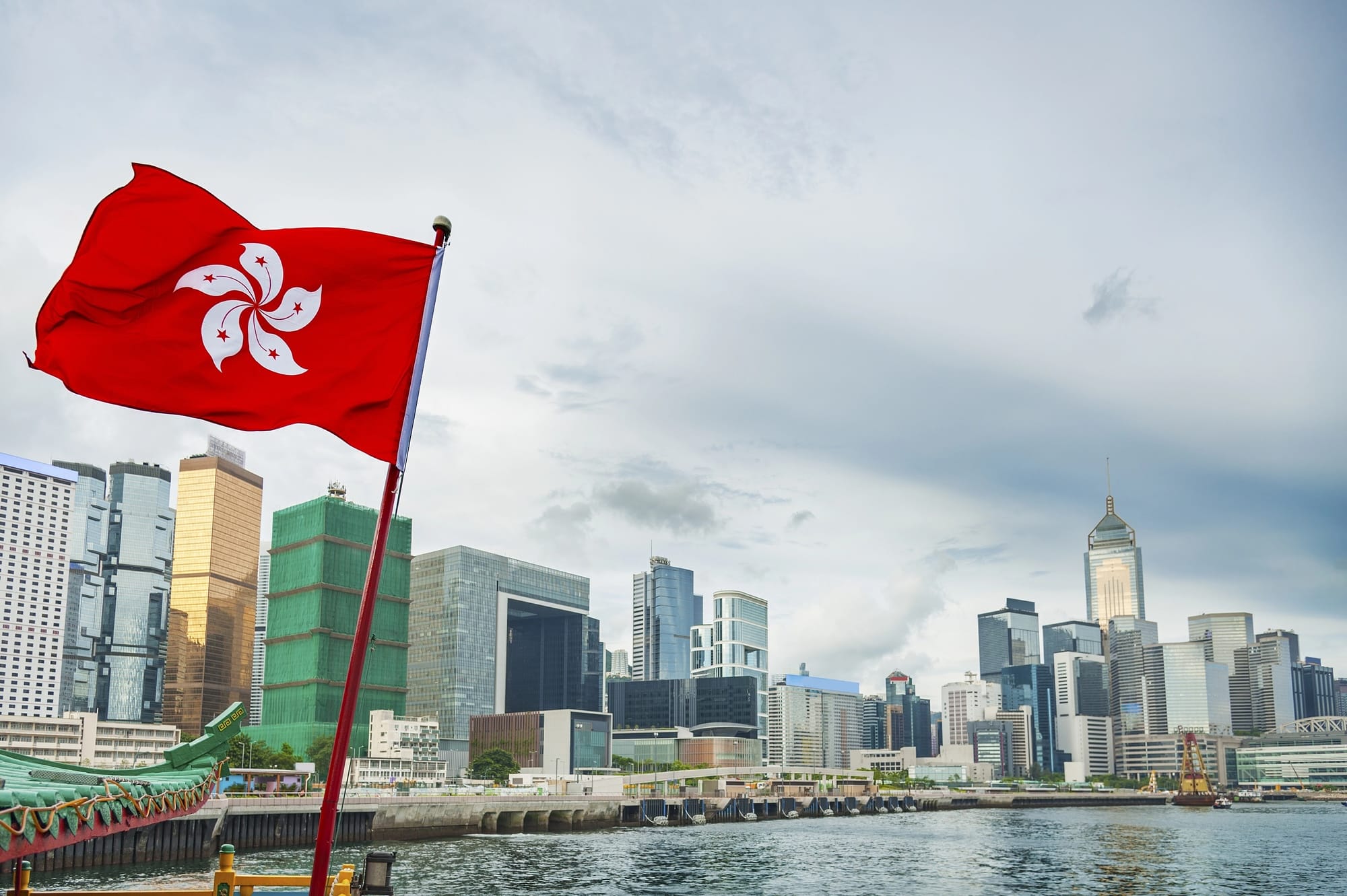
The itinerary reads like a flex and it's just a normal day: hike a proper ridge before lunch, get lost in a dim sum trolley by mid-afternoon, end the night on a junk boat watching the Symphony of Lights ricochet off the harbour. Same city. Same day. One octopus card tapping you through all of it.
Hong Kong doesn't ease you in. It grabs you by the collar and shakes the essence of life into you - it’s pretty much a dose of magic you never knew you needed.
What the Hong Kong Working Holiday Visa Actually Is
The Hong Kong Working Holiday Scheme is a bilateral agreement between Hong Kong and a set of partner countries that lets young people aged 18 to 30 live in Hong Kong for up to 12 months, with the freedom to pick up short-term work and short courses along the way. The catch is baked into the name: your main reason for being there is the holiday. Work funds the year, it isn't the main character of this adventure.
It's open to passport holders from 13 countries: Australia, Austria, Canada, France, Germany, Hungary, Italy, Ireland, Japan, Korea, the Netherlands, New Zealand, Sweden and the United Kingdom. If your passport isn't on that list (the United States, notably, is not a partner country), this particular scheme isn't your door in.
The Quick Version
- Who: passport holders aged 18 to 30 from one of the 14 partner countries
- How long: up to 12 months, not extendable, one time only
- Funds required: between HK$14,000 and HK$25,000, depending on your nationality
- Visa fee: free for Irish, Japanese and Korean citizens; a standard visa fee applies for everyone else, paid online once you're approved
- Insurance: mandatory for the entire stay, covering medical, hospitalisation, repatriation and liability
- Work: temporary and incidental only, no permanent roles, with a cap on how long you stay with one employer
- Study: short courses allowed (not for Irish citizens)
- Processing: normally around two weeks once all your documents are in (we always recommend you start your Working Holiday Visa planning 6-12 months in advance)
- Apply: online through the GovHK portal, finishing with an e-Visa you print yourself

Why Hong Kong Hits Different
Most cities make you choose. Nature or nightlife. Old world or new. Hong Kong looked at that choice and said no thanks, we’re going to hit both at full blast. You can walk the Dragon's Back in the morning, ridgeline and sea breeze and all, and be deep in a debate about the best char siu in Sham Shui Po by lunch. The mountains and the metropolis aren't near each other here. They're stacked on top of each other.
And the food. We have to talk about the food. Dim sum at a table you share with strangers, roast goose because that’s the new Sunday special, egg tarts still warm from the tray, milk tea strong enough to file its own taxes. A brilliant meal costs less than your morning flat white back home, and it's everywhere, at every hour, at every price point.
Then there's the location. Hong Kong might be the best-connected launchpad in Asia. Macau is an hour away by ferry, and Tokyo, Taipei, Bangkok and Seoul are all short hops for a long weekend. You base yourself here and half of Asia becomes a Friday-night flight.
The city itself just works, too. Transport is fast, spotless and genuinely cheap, the streets feel safe at 2am, and the whole place runs with a quiet efficiency that makes you a little emotional the first time it clicks. Hong Kong in your main-character era, basically.
Where to Base Yourself
Hong Kong is small enough to cross in under an hour and dense enough that every few MTR stops feels like a different city. Where you land shapes the whole year, so here's the lay of the land.
Hong Kong Island is the postcard side. Sheung Wan and Sai Ying Pun are the young, walkable, coffee-shop-heavy pockets where a lot of newcomers settle, while Wan Chai and Causeway Bay drop you into the middle of the noise, the bars and the neon for a bit more rent. Great if you want to be where it's happening. Less great for your bank balance.
Kowloon side, just across the harbour, is where your money stretches further. Mong Kok, Jordan and Sham Shui Po are louder, denser and more local, with a market on every corner and some of the best cheap food in the city. You trade a little polish for a lot more character, and honestly that's the fun version.
Rooms are small and rent is steep, so most people land in a flatshare rather than a place of their own. That's normal Hong Kong, and it's also how you meet half your friends.
Getting around is the easy part. Grab an Octopus card on day one and it taps you onto the MTR, the buses, the trams and the Star Ferry, all fast, all spotless, all cheap. You genuinely will not miss having a car.
How to Apply
Good news: this is a visa you sort yourself, online, with no middleman. The whole thing runs through the GovHK portal, and once you're approved you download the visa yourself. Here's the order of play.
- Check the eligibility fine print. The snapshot above covers the age and nationality basics. Beyond those, you'll need to ordinarily live in your home country when you apply (Dutch applicants specifically in the European part of the Netherlands), be travelling solo with no dependants, and be able to show your main reason for the year is the holiday, with work as the side plot.
- Gather your documents. Your passport, financial proof showing the figure tied to your nationality (somewhere between HK$14,000 and HK$25,000, with most landing around HK$20,000), evidence of a return air ticket or the funds to buy one, proof you'll hold the required insurance for the full stay, and a recent photo.
- Apply online. Submit your application and upload your documents through the GovHK working holiday portal. It's all digital, so there's no posting forms or queuing at a counter.
- Wait for the decision. Processing normally takes around two weeks once all your documents are in. Keep an eye on your status online and respond quickly if the Department asks for anything else.
- Pay and download your e-Visa. Once approved, you'll get a payment link (unless you're an Irish, Japanese or Korean citizen, in which case it's free). Pay online, then download and print your e-Visa yourself. That's your green light.
One quick tip: quotas are filled first-come, first-served, so if your nationality has a smaller allocation, applying earlier in the year (the 6-12 months we mentioned before) is the smart move.
Work Life in Hong Kong
The framing that matters: work here is incidental to the holiday, not the main event. You can take temporary roles to fund the year, but permanent employment is off the table, and there's a cap on how long you can stay with a single employer, set by your nationality:
- Up to 3 months with one employer: Australia, Canada, Germany, Italy, Ireland and New Zealand
- Up to 6 months: Austria, France, Hungary, Japan, Korea, the Netherlands, Sweden
- Up to 12 months: United Kingdom
The most accessible ways to earn while you're there:
- Hospitality: bars, cafes, restaurants and hotels hire constantly across Central, Wan Chai and Tsim Sha Tsui, and it's usually the fastest route to a first pay cheque. Not to mention, it’s one of the most social types of work on the roster.
- Retail and customer-facing work: Hong Kong is a shopping city, and international brands often want English-speaking staff for their flagship stores.
- Tourism and events: a global visitor city runs on guides, promoters and event crew, especially around festival season - yeah, this one is a whole lot of fun!
- English and tutoring support: language centres and local families value native English speakers, whether that's conversation practice or classroom assistance, there’s a massive market for this one!
Most travellers land that first job the old-fashioned way: word of mouth in hostels, the city's expat Facebook groups, and walking a CV straight into cafes and bars. Tourist-facing venues in Central and Tsim Sha Tsui tend to be the quickest yes, especially heading into the busy autumn and Christmas stretch.
Two things to keep in mind. English will get you a long way at work, but a handful of Cantonese phrases earns real goodwill and opens more doors day to day. And because roles are short-term by design, treat each job as a few months rather than a career move. That's the whole point of the year.
Reality Check
Here's the honest part. Rent is steep and apartments are famously small, so finding an affordable room, usually in a flatshare, is the first real challenge. The city is efficient but intense, and the sheer density takes a few weeks to settle into. The summers are no joke either: from around May to September it's hot, wildly humid, and typhoon season can shut the city down for a day at a time, so factor the weather into when you land. Work is short-term by design, which means you're rarely more than a few months from job-hunting again. And while English is widely spoken, daily admin like leases and bank accounts can move slowly without a little Cantonese or a local hand. The upside: food and transport are genuinely cheap, so once your rent is handled the rest of life stays very livable. None of this is a dealbreaker, but budget more than you think for the first month, and don't expect the year to organise itself, get the spreadsheet out and ready!
Places You Need to See
Victoria Peak
Yes, it's the postcard shot, and yes, it earns it. Take the tram up at dusk and watch the whole city switch its lights on beneath you, skyscrapers packed so tight they look rendered. Go on a clear night, bring someone you like, and prepare to lose an hour just staring. Tell me you're in Hong Kong without telling me: this is the photo.
Dragon's Back
The plot twist of Hong Kong is that it's mostly green. Dragon's Back is a ridgeline trail twenty minutes from the skyscrapers that hands you sea views, forest and a proper breeze, then drops you at a beach for a swim and a cold drink at the end. You'll do it once and immediately start planning the Sai Kung and Lamma Island versions. The way we would move here for the hiking alone.
Temple Street & Sham Shui Po
This is where Hong Kong hums after dark. Temple Street Night Market is neon, fortune tellers, clattering woks and cheerful haggling, while nearby Sham Shui Po is the food pilgrimage: curry fish balls, pineapple buns, egg tarts, some of the best cheap eats on the planet. Come hungry. Come again tomorrow. Your group chat is about to get very tired of your food photos.
Lantau Island
Fly in and Lantau is the first Hong Kong you'll meet, but it's worth coming back on purpose. This is the big, green, unexpectedly wild island where the Ngong Ping cable car floats you up over the treetops to the Tian Tan Buddha, a giant bronze figure sitting above the clouds like he's got it all figured out. Down the coast, the stilt houses of Tai O fishing village serve up the kind of slow, salt-air afternoon that resets your whole nervous system. Beaches, monasteries, proper hiking, and one very large calm Buddha, all a ferry or metro ride from the neon. Call it the plot twist Hong Kong keeps in its back pocket.
Sorting Your Insurance
Remember the one condition of this visa you can't skip? Insurance. To be granted a Hong Kong working holiday visa, you have to hold cover for medical care, hospitalisation, repatriation and liability, in force for your entire stay. It isn't a suggestion, it's a requirement the Immigration Department checks.
This is the part we can genuinely take off your plate. The visa itself is one you organise yourself, directly and online, and honestly it's refreshingly DIY. But the insurance is where a lot of travellers get caught out, either buying the wrong level of cover or forgetting the liability piece the visa specifically asks for.
Global Travel Cover, part of the Global Work & Travel family, is built for exactly this kind of year:
- $0 deductible: you're not out of pocket before your cover even kicks in
- Medical, repatriation and liability included: the core cover the Hong Kong visa asks you to hold
- Buy and renew from anywhere: you don't need to be home to sort it or extend it
- Snow sports covered as standard: handy for those weekend trips to the slopes elsewhere in the region
- A 24/7 emergency line: a real human to call when something goes sideways at 3am
Structured cover like this costs a little more than the bare-minimum policy, and you can absolutely shop around. What you get for it is the exact cover the visa wants, sorted in one go, from a name that does this for travellers all day long. One less thing between you and the plane.
Before You Commit: The Fine Print
A few things worth locking in before you apply, because they shape how you plan the whole year:
- Twelve months is the ceiling: extensions aren't normally granted, so staying on means switching to a different visa, like an employment or student visa, each with its own rules.
- You get one shot at it: the visa is a once-only thing, so make the year count.
- Work stays short-term: temporary roles across hospitality, retail, tourism and tutoring, no permanent jobs, with an employer time cap that varies by nationality.
- Insurance is checked, not assumed: medical, hospitalisation, repatriation and liability cover for the full stay, sorted before you apply.
- Funds scale with your passport: HK$14,000 to HK$25,000, plus a return ticket or the money to buy one.

Final Thoughts
Hong Kong is a year that moves at double speed. You'll arrive wide-eyed at the density and the neon, and somewhere around month three you'll realise you navigate the MTR without thinking, you've got a regular dai pai dong, and you're insisting the tram is obviously the best way across the island. Twelve months sounds like plenty until you're on the Star Ferry in your last week wondering where it went. So sort the funds, sort the insurance, get the application in early, and let Hong Kong do the rest. Future you is already grateful.
If you want to learn about the digital nomad visa's for other countries, we have extensive guides for countries like the United Kingdom, Germany, New Zealand, Italy, Portugal, Spain, Thailand, and Japan.
We also publish extensive working holiday visa guides for United States, Canada, Australia, United Kingdom, Germany, France, Spain, Italy, Ireland, Norway, Korea, Argentina, Chile, Hong Kong, Estonia, Netherlands, Austria, Slovakia, Portugal, Peru, Greece, Singapore, Malaysia, Taiwan, Mongolia, Indonesia, Vietnam, Thailand, New Zealand, Chile, Ecuador, Brazil, Israel, Czech
Republic, Mongolia, Papua New Guinea, and more coming.

Jessie Chambers
Jessie is a globetrotter and storyteller behind the Global Work & Travel blog, sharing tips, tales, and insights from cities to remote escapes, informed by the collective experience and real-world knowledge of teams across our business.